
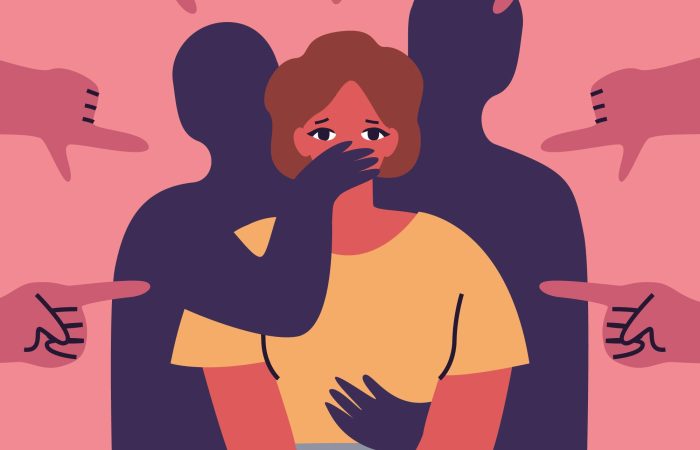
Social decency is the cornerstone of a harmonious society. It’s the shared understanding of what is respectful, appropriate, and considerate in our interactions with others. It’s what allows us to coexist peacefully, fostering trust, empathy, and mutual respect. But in a world where vulgarity and nudity are increasingly prevalent—whether in media, advertising, or everyday life—social decency is often put to the test. How do these elements impact the fabric of our communities? And what can we do to preserve the values that hold us together? In this article, we’ll delve into the ways vulgarity and nudity can erode social decency, exploring the psychological, cultural, and ethical dimensions of this complex issue.
What Is Social Decency, and Why Does It Matter?
Social decency refers to the norms and behaviors that promote respect, dignity, and consideration for others. It’s about treating people with kindness, maintaining appropriate boundaries, and upholding shared values. These norms vary across cultures and contexts, but they all serve a common purpose: to create a sense of safety, trust, and belonging.
When social decency is upheld, communities thrive. People feel respected, valued, and connected. But when it’s undermined—whether by vulgar language, explicit imagery, or inappropriate behavior—it can lead to discomfort, division, and even conflict.
The Role of Vulgarity in Eroding Social Decency
Vulgarity, defined as language or behavior that is socially offensive or indecent, can have a profound impact on social decency. Here’s how:
1. Breaking Social Norms
Vulgarity often involves breaking social norms around politeness and appropriateness. While this can sometimes feel liberating or entertaining, it can also create tension and discomfort. For example:
- A crude joke at a formal event might make some people laugh but leave others feeling disrespected or alienated.
- Excessive use of vulgar language in public spaces can make people feel unsafe or unwelcome.
2. Undermining Respect
Vulgarity can undermine the mutual respect that holds communities together. When people use offensive language or behave indecently, it sends a message that they don’t value the feelings or boundaries of others. Over time, this can erode trust and cohesion.
3. Normalizing Disrespect
When vulgarity becomes too common, it risks normalizing disrespectful behavior. For example, if explicit language is constantly used in media or everyday conversations, people may become desensitized to its impact. This can lead to a culture where rudeness and insensitivity are seen as acceptable.
The Impact of Nudity on Social Decency
Nudity, like vulgarity, is a complex and culturally sensitive topic. While it can be a form of artistic expression or body positivity, it can also challenge social decency in several ways:
1. Blurring Boundaries
Nudity often blurs the line between public and private spaces. While it might be appropriate in certain contexts—like a beach or an art gallery—it can feel invasive or inappropriate in others. For example:
- Public nudity in a crowded urban area might make people feel uncomfortable or violated.
- Overly sexualized imagery in advertising can contribute to a culture of objectification and disrespect.
2. Challenging Cultural Values
Different cultures have different norms around nudity. What’s acceptable in one society might be deeply offensive in another. When these norms are disregarded, it can lead to cultural clashes and a breakdown of social harmony.
3. Impact on Mental Health
Exposure to excessive nudity, particularly in media, can have psychological effects. Studies have shown that overexposure to sexualized imagery can contribute to body image issues, low self-esteem, and unhealthy attitudes toward relationships.
Case Study: The Influence of Media on Social Decency
Consider the impact of reality TV shows that thrive on vulgarity and sensationalism. These programs often feature explicit language, provocative behavior, and a lack of respect for boundaries. While they may attract viewers, they also contribute to a culture of disrespect and normalization of indecency.
For example, a study by the American Psychological Association found that exposure to reality TV shows with high levels of vulgarity and conflict can lead to increased aggression and decreased empathy among viewers. This highlights how media can shape societal norms and erode social decency over time.
The Ethical Dilemma: Freedom vs. Responsibility
One of the key debates around vulgarity and nudity is the balance between freedom of expression and social responsibility. On one hand, individuals and creators have the right to express themselves freely. On the other hand, they have a responsibility to consider the impact of their actions on others.
For example:
- A comedian might argue that vulgar humor is a form of free speech, but they also have a responsibility to consider how their jokes affect different audiences.
- An artist might defend nudity as a form of self-expression, but they should also be mindful of the cultural and social context in which their work is displayed.
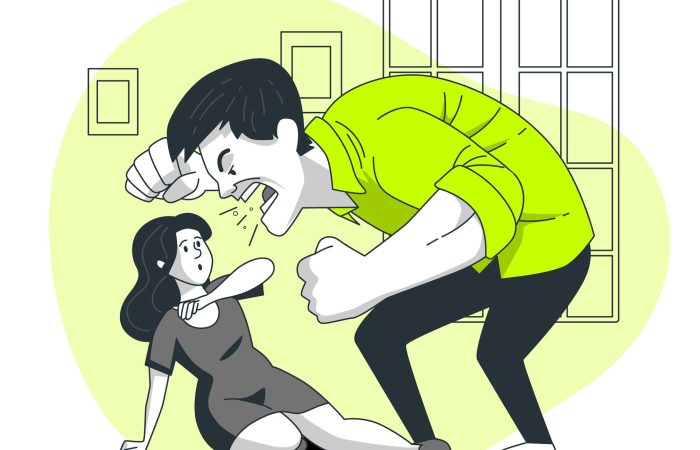
How to Preserve Social Decency in a Changing World
Preserving social decency doesn’t mean stifling creativity or enforcing rigid norms. It’s about finding a balance that respects individual freedoms while maintaining a sense of community and mutual respect. Here are some ways to achieve this:
1. Promote Media Literacy
Educate people, especially young audiences, about the impact of vulgarity and nudity in media. Encourage critical thinking and help them understand the difference between healthy self-expression and harmful behavior.
2. Encourage Respectful Dialogue
Foster open conversations about boundaries, consent, and respect. Encourage people to express their views without resorting to vulgarity or disrespect.
3. Set Clear Boundaries
In public spaces, workplaces, and communities, establish clear guidelines around appropriate behavior. This helps create a sense of safety and respect for everyone.
4. Celebrate Positive Role Models
Highlight individuals and creators who use their platforms to promote respect, kindness, and inclusivity. This can help counterbalance the negative impact of vulgarity and nudity in media.
Conclusion: Striking a Balance
Vulgarity and nudity are not inherently bad—they can be powerful tools for self-expression, creativity, and even social change. However, when misused or overexposed, they can erode the social decency that holds communities together. The key is to strike a balance that respects individual freedoms while fostering a culture of respect, empathy, and mutual understanding.
By being mindful of our words, actions, and the impact they have on others, we can preserve the social decency that makes our communities strong and harmonious. After all, a society that values respect and decency is one where everyone can thrive.