
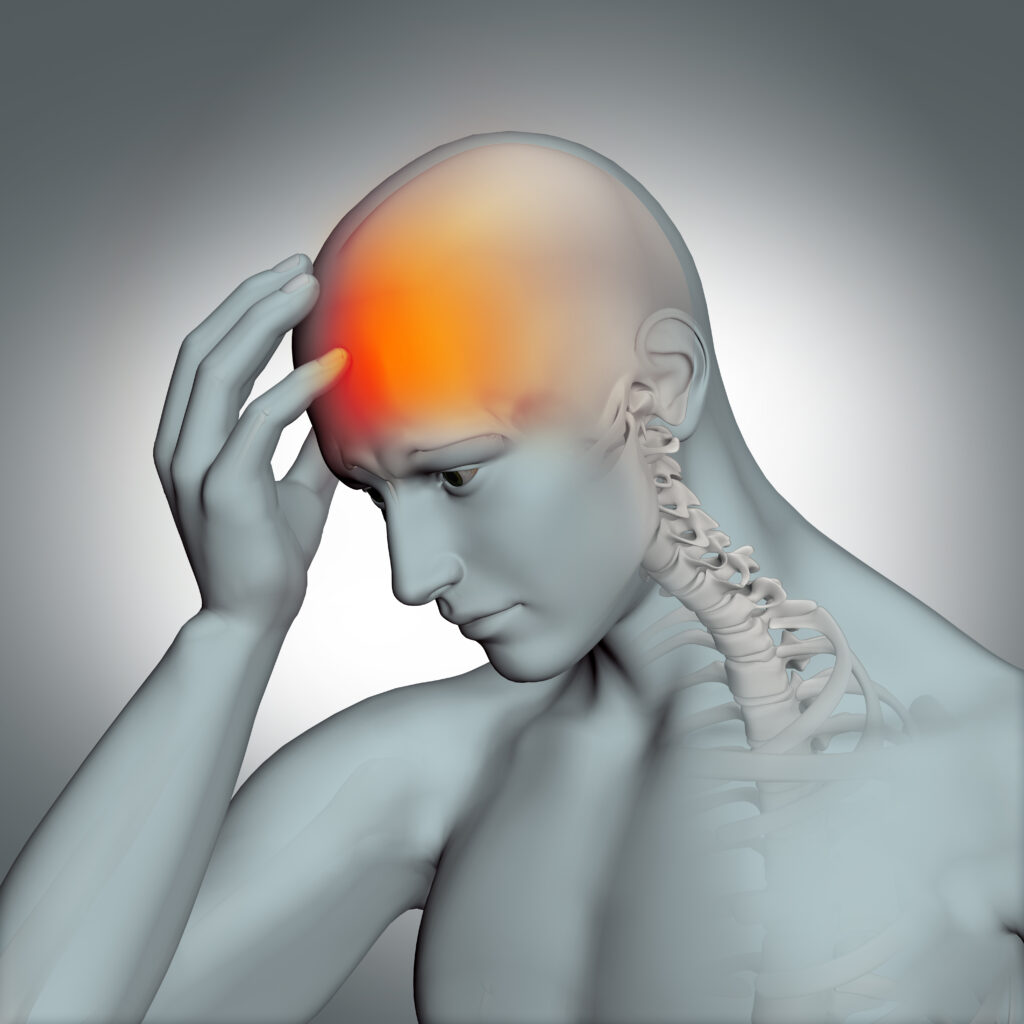
In today’s fast-paced, hyper-connected world, the term “brain rot” has emerged as a colloquial way to describe the mental fatigue, cognitive decline, and emotional exhaustion many people experience. But what exactly is brain rot? Is it a real phenomenon, or just a catchy phrase? And more importantly, what can we do about it? In this article, we’ll dive deep into the concept of brain rot, exploring its causes, effects, and potential solutions. By the end, you’ll have a clearer understanding of this modern mental health challenge and how to protect your brain from its grip.
What Is Brain Rot?
Brain rot isn’t a clinical term, but it’s a useful metaphor for describing the mental toll of our digital, information-saturated lives. It refers to the feeling of mental fog, decreased focus, and emotional numbness that can result from excessive screen time, information overload, and constant multitasking. Think of it as the mental equivalent of junk food—easy to consume, but ultimately harmful in large quantities.
While brain rot isn’t a formal diagnosis, it aligns with well-researched phenomena like cognitive overload, digital fatigue, and burnout. It’s the feeling you get after scrolling through social media for hours, binge-watching mindless TV shows, or juggling too many tasks at once. Your brain feels “fried,” and you struggle to think clearly or feel motivated.

The Causes of Brain Rot
Brain rot doesn’t happen overnight. It’s the result of prolonged exposure to habits and environments that overwhelm the brain. Here are some of the key culprits:
1. Information Overload
We live in the age of information, where news, notifications, and updates bombard us 24/7. The average person consumes over 74 gigabytes of data daily—equivalent to watching 16 movies! This constant influx of information can overwhelm the brain, making it harder to focus and process information effectively.
2. Excessive Screen Time
From smartphones to laptops to TVs, screens dominate our lives. The average person spends over 7 hours a day staring at screens, and for younger generations, that number is even higher. Prolonged screen time has been linked to eye strain, poor sleep, and reduced cognitive function—all hallmarks of brain rot.
3. Multitasking
Many of us pride ourselves on our ability to multitask, but research shows that it’s a myth. The brain isn’t designed to handle multiple tasks simultaneously. Instead, it switches rapidly between tasks, which drains mental energy and reduces efficiency. Over time, this can lead to mental exhaustion and brain rot.
4. Poor Sleep Habits
Sleep is essential for brain health, yet many of us sacrifice it for work, entertainment, or scrolling through social media. Chronic sleep deprivation impairs cognitive function, memory, and emotional regulation, contributing to the symptoms of brain rot.
5. Lack of Mental Stimulation
While too much stimulation can overwhelm the brain, too little can also be harmful. Engaging in repetitive, passive activities (like binge-watching TV or endlessly scrolling) can lead to mental stagnation and a sense of emptiness.
The Effects of Brain Rot
Brain rot isn’t just a fleeting feeling of tiredness—it can have serious consequences for your mental and emotional well-being. Here are some of the most common effects:
1. Cognitive Decline
Brain rot can impair your ability to think clearly, solve problems, and make decisions. You might find yourself forgetting things more often, struggling to concentrate, or feeling mentally “stuck.”
2. Emotional Numbness
When your brain is overloaded, it can be harder to connect with your emotions. You might feel detached, apathetic, or emotionally drained, even in situations that would normally bring you joy or excitement.
3. Reduced Creativity
Creativity thrives on mental space and freedom, but brain rot clogs up that space with clutter. You might find it harder to come up with new ideas or think outside the box.
4. Increased Stress and Anxiety
The constant pressure to keep up with information, tasks, and social media can lead to chronic stress and anxiety. Over time, this can take a toll on your mental and physical health.
5. Poor Sleep Quality
Brain rot and poor sleep often go hand in hand. The blue light from screens can disrupt your circadian rhythm, making it harder to fall asleep and stay asleep. And when you don’t sleep well, your brain doesn’t have a chance to recharge, perpetuating the cycle of brain rot.
Case Study: The Impact of Social Media on Brain Rot
Social media is one of the biggest contributors to brain rot. Platforms like Instagram, TikTok, and Twitter are designed to keep you scrolling, often at the expense of your mental health. A study by the Royal Society for Public Health found that social media use is linked to increased rates of anxiety, depression, and poor sleep—all symptoms of brain rot.
For example, consider the experience of Sarah, a 28-year-old marketing professional. She spends hours each day scrolling through social media, comparing herself to others and feeling pressured to keep up with trends. Over time, she notices that she’s more anxious, less focused, and increasingly disconnected from her real-life relationships. Sarah’s story is a common one, highlighting how social media can contribute to brain rot.
How to Combat Brain Rot
The good news is that brain rot isn’t permanent. With the right strategies, you can clear the mental fog and reclaim your cognitive and emotional well-being. Here are some practical tips:
- Limit Screen Time: Set boundaries around your screen use. Try designating specific times of day for checking emails or social media, and avoid screens at least an hour before bed.
- Practice Mindfulness: Mindfulness techniques, like meditation or deep breathing, can help calm an overstimulated brain. Even a few minutes of mindfulness each day can make a big difference.
- Prioritize Sleep: Make sleep a non-negotiable part of your routine. Aim for 7-9 hours of quality sleep each night, and create a relaxing bedtime routine to help you wind down.
- Engage in Active Learning: Challenge your brain with activities that require focus and creativity, like reading, puzzles, or learning a new skill. This can help counteract the mental stagnation caused by passive activities.
- Take Regular Breaks: Give your brain a chance to recharge by taking regular breaks throughout the day. Try the Pomodoro Technique: work for 25 minutes, then take a 5-minute break.
- Disconnect to Reconnect: Spend time away from screens and engage in real-life activities that bring you joy, like spending time with loved ones, exercising, or enjoying nature.
Conclusion: Reclaiming Your Mental Clarity
Brain rot is a modern phenomenon, but it’s not inevitable. By understanding its causes and effects, you can take proactive steps to protect your mental health and well-being. The key is to create a balanced lifestyle that prioritizes rest, mindfulness, and meaningful engagement over mindless consumption.
Remember, your brain is your most valuable asset. Treat it with care, and it will reward you with clarity, creativity, and resilience. In a world that constantly demands your attention, taking control of your mental space is one of the most powerful things you can do. So, take a deep breath, put down your phone, and give your brain the break it deserves.