
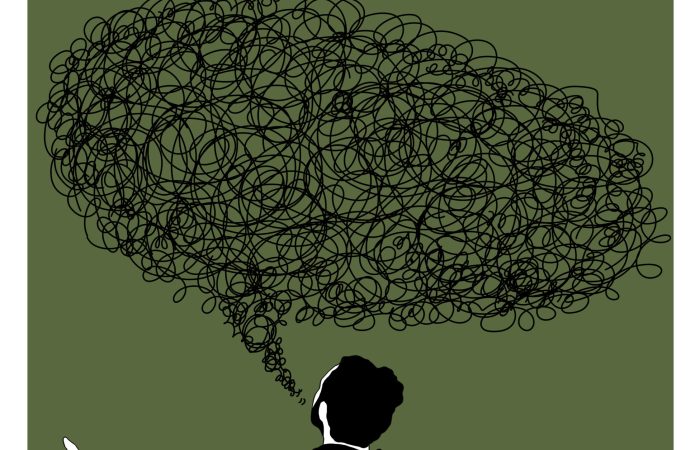
Introduction: That Awkward Feeling When Your Brain Fights Itself
You know that uncomfortable feeling when you do something that goes against your beliefs? Maybe you’ve:
Promised to eat healthy… then devoured a whole pizza.
Preached about sustainability… but bought fast fashion anyway.
Vowed to quit smoking… only to light up “just one more.”
That mental discomfort has a name: “cognitive dissonance”. Coined by psychologist Leon Festinger in 1957, it describes the tension we feel when our actions and beliefs don’t match.
But why does this happen? And how does it shape our decisions—sometimes without us even realizing it? Let’s break it down.
What Is Cognitive Dissonance?
At its core, cognitive dissonance is “psychological stress” caused by holding two conflicting thoughts at once. Our brains crave consistency, so when our actions clash with our beliefs, we feel an almost physical unease.
Festinger’s Famous Study: The $1 vs. $20 Experiment
In a groundbreaking 1959 experiment, Festinger asked participants to perform a boring task, then lie and tell others it was fun. Some were paid $1, others $20.
Surprisingly, the “$1 group” later claimed they ‘actually enjoyed the task’—more than the $20 group. Why?
$20 group: “I lied for good money—no big deal.” (No conflict.)
$1 group: “I lied for almost nothing… so maybe it wasn’t a lie?” (Their brains changed their belief to reduce dissonance.)
This shows our mind’s sneaky trick: When we can’t change our actions, we often change our beliefs instead.
Why Does Cognitive Dissonance Happen?
Our brains are wired to avoid discomfort. When faced with dissonance, we usually react in ‘3 ways:
1. Change Our Behavior
(The hardest but healthiest option.)
– Example: A meat-lover who learns about factory farming might go vegan.
2. Justify Our Actions
The most common coping mechanism.)
– Example:
Belief: “Smoking is bad.”
Action: Continues smoking.
Justification: “My grandpa smoked and lived to 90!”
3. Ignore Contradictory Information
(Avoidance mode.)
Example: A climate change skeptic dismisses scientific data to keep driving their gas-guzzling car guilt-free.
Real-Life Examples of Cognitive Dissonance
1. The "Healthy Lifestyle" Paradox
Belief: “I care about my health.”
Action: Skips gym, orders junk food.
Dissonance Fix: “I’ll start tomorrow!” (Spoiler: Tomorrow never comes.)
2. Buyer’s Remorse
After splurging on an expensive gadget, we aggressively seek reviews praising it, not to learn, but to confirm we made the “right” choice.
3. Toxic Relationships
Belief: “I deserve respect.”
Action: Stays with a partner who mistreats them.
Dissonance Fix: “They’re just stressed; it’s not their fault.”
Case Study: Cult Indoctrination
When doomsday cults’ predictions fail (e.g., “The world will end on X date!”), members don’t leave—they double down. Festinger observed this in ‘When Prophecy Fails’ (1956).
Why? Admitting they were wrong is too painful. Instead, they rationalize: “Our faith SAVED the world!”
Marketing Tricks
“Free Trial” Traps: Once you invest time in a product, you’re more likely to buy it—because “I didn’t waste my time for nothing!”
Luxury Brands: Paying $500 for jeans feels ridiculous, so we convince ourselves “The quality is unmatched!” (Even if it’s not.)
How to Reduce Cognitive Dissonance (Without Self-Deception)
While our brains love quick fixes (like denial), there are healthier ways to cope:
- Acknowledge the Discomfort: Instead of ignoring guilt, ask: “Why do I feel this way?”
- Align Actions with Values
Example: If you believe in sustainability, start small (e.g., reusable bags) instead of feeling pressured to go zero-waste overnight.
- Reframe the Conflict
“I ate pizza, but I’ll balance it with a healthy dinner.” (No need to label yourself a “failure.”)
- Embrace Growth
Dissonance can be a ‘motivator’. That guilt after skipping the gym? Use it to fuel next week’s workouts.
Conclusion: Dissonance Isn’t Your Enemy—It’s a Signal
Cognitive dissonance isn’t just psychological jargon—it’s a daily reality. Whether we’re justifying small lies or life-altering decisions, that mental tug-of-war reveals something profound: We care about being consistent, even when we’re not.
Instead of silencing dissonance with excuses, we can use it as a ‘compass’. That discomfort? It’s your brain’s way of saying: “Hey, let’s get back on track.”
Final Thought: The next time you catch yourself making excuses, pause. Is it the truth… or just your brain trying to escape discomfort? The answer might change how you see yourself—and your choices—forever.
Want to dive deeper? Explore how cognitive dissonance shapes politics, religion, or even workplace dynamics. Let me know what intrigues you most!