
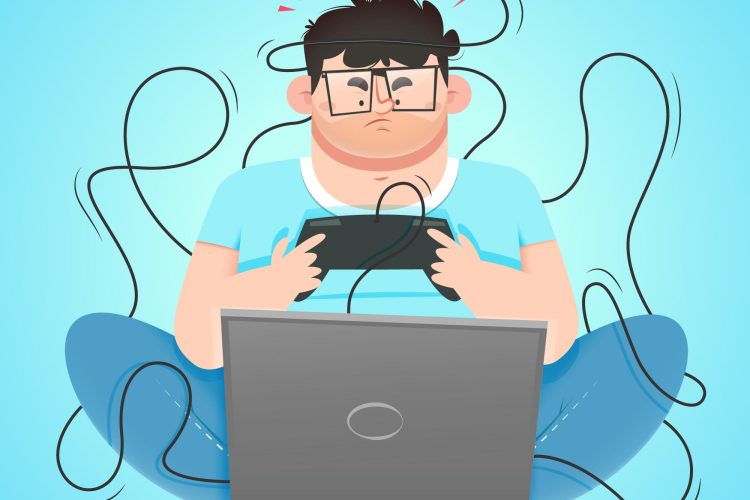
Gaming is one of the world’s most popular pastimes—an immersive escape, a social outlet, and for some, even a career. But what happens when gaming stops being fun and starts controlling a person’s life? Gaming Disorder, now officially recognized by the World Health Organization (WHO), is a real and growing mental health concern.
This isn’t about casual gamers who enjoy a few hours of Fortnite or League of Legends on weekends. It’s about the loss of control, where gaming takes over jobs, relationships, and even basic self-care.
In this article, we’ll explore:
What Gaming Disorder really is (and isn’t)
How gaming addiction rewires the brain
Warning signs—when should you worry?
Real-life consequences (from failing grades to financial ruin)
How to break free and find balance
Let’s dive in.
What Is Gaming Disorder?
In 2018, the World Health Organization (WHO) added Gaming Disorder to its International Classification of Diseases (ICD-11), defining it as:
“A pattern of persistent or recurrent gaming behavior so severe that it takes precedence over other life interests.”
Key Characteristics:
Loss of Control: Inability to stop or reduce gaming despite negative consequences.
Increasing Priority: Gaming becomes more important than work, school, or relationships.
Escalation: Needing to play more and more to feel satisfied.
Withdrawal Symptoms: Irritability, anxiety, or depression when not gaming.
Important Note: This isn’t about playing a lot—it’s about gaming disrupting normal life. A pro esports player who trains 10 hours a day but maintains health, income, and social ties doesn’t necessarily have a disorder. But a college student skipping classes to grind Call of Duty? That’s a red flag.
How Gaming Hijacks the Brain
Gaming doesn’t just affect behavior: it changes brain chemistry. Studies show that excessive gaming triggers:
Dopamine Overload: Winning, leveling up, or unlocking rewards floods the brain with dopamine (the “feel-good” chemical), creating a cycle of craving and compulsion.
Reduced Gray Matter: Heavy gamers show shrinkage in areas linked to impulse control and decision-making (similar to gambling addicts).
Desensitization to Real-Life Rewards: Everyday pleasures (hanging out with friends, hobbies) feel dull compared to the hyper-stimulation of games.
Case Study
A 2021 Nature study found that adolescents with Gaming Disorder had brain activity patterns resembling drug addicts when shown gaming cues.
Who’s Most at Risk?
While anyone can develop problematic gaming habits, some groups are more vulnerable:
Teenagers & Young Adults: Their brains are still developing, making them more susceptible to addiction.
People with ADHD, Anxiety, or Depression Gaming offers an escape from real-world struggles.
Lonely or Socially Isolated Individuals: Online multiplayer games provide a sense of belonging.
Stat Alert:
– A 2023 study in JAMA Pediatrics found that up to 10% of gamers exhibit addictive behaviors.
– South Korea, where gaming culture is massive, has reported cases of gamers dying from “exhaustion after 50+ hour sessions”.
Warning Signs: Is It Just Passion… or a Problem?
How can you tell if someone’s gaming habits are unhealthy? Look for these red flags:
Neglecting Responsibilities: Skipping school, work, or chores to game.
Lying About Playtime: Hiding how much they game from family or friends.
Withdrawal Symptoms: Anger, restlessness, or sadness when forced to stop.
Loss of Interest in Other Activities: Dropping hobbies, sports, or social events.
Physical Decline: Poor hygiene, weight changes, or chronic sleep deprivation.
Real-Life Example: A 24-year-old in the UK lost his job after missing shifts to play World of Warcraft—then sold his car to buy in-game currency.
The Dark Side of Gaming Addiction e
The consequences go beyond “wasting time.” Severe cases lead to:
Academic & Career Failure:Students flunking out, employees getting fired.
Financial Ruin: Microtransactions, loot boxes, and in-game spending can drain savings.
Relationship Breakdowns: Partners and family feel neglected or betrayed.
Physical Health Risks: Deep vein thrombosis (DVT) from sitting too long, severe sleep deprivation, and malnutrition.
Extreme Case: In 2015, a Taiwanese man died after a 3-day gaming marathon in an internet café—his body simply gave out.
Breaking the Cycle: Treatment & Recovery
The good news? Gaming Disorder is treatable. Effective strategies include:
- Cognitive Behavioral Therapy (CBT)
– Helps gamers recognize triggers and develop healthier habits.
- Digital Detox & Structured Limits
– Gradually reducing playtime (e.g., setting alarms, using app blockers like “Cold Turkey”).
- Rebuilding Real-Life Connections
– Encouraging offline hobbies, exercise, or social activities.
- Family & Support Groups
Organizations like Game Quitters offer community support for recovering gamers.
Success Story:
A former League of Legends addict, Mark, shared how therapy and finding a new passion (rock climbing) helped him regain control after years of 12-hour gaming sessions.
Prevention: How to Game Responsibly
Not all gaming is bad—the key is balance. Tips for healthy play:
Set Time Limits: Use phone reminders or parental controls.
Take Breaks: Follow the “20-20-20 rule” (every 20 minutes, look 20 feet away for 20 seconds).
Stay Social Offline: Make sure gaming doesn’t replace face-to-face interactions.
Monitor Spending: Avoid impulse buys on skins, loot boxes, or in-game currency.
Final Thoughts: Play Smart, Not Obsessively
Gaming is a fantastic hobby—but like anything, too much can be harmful. If you or someone you know is struggling, seek help early. Recovery is possible.
Remember: “Games should be a part of life, not your whole life.”
Your Turn
Have you ever felt gaming was taking over? What strategies helped you find balance? Share your story below!