Introduction: The Rise of Climate Anxiety
Have you ever felt a deep sense of dread when reading about wildfires, rising sea levels, or extreme weather events? Do you worry about the future of the planet—or even your own future—because of climate change? If so, you’re not alone.
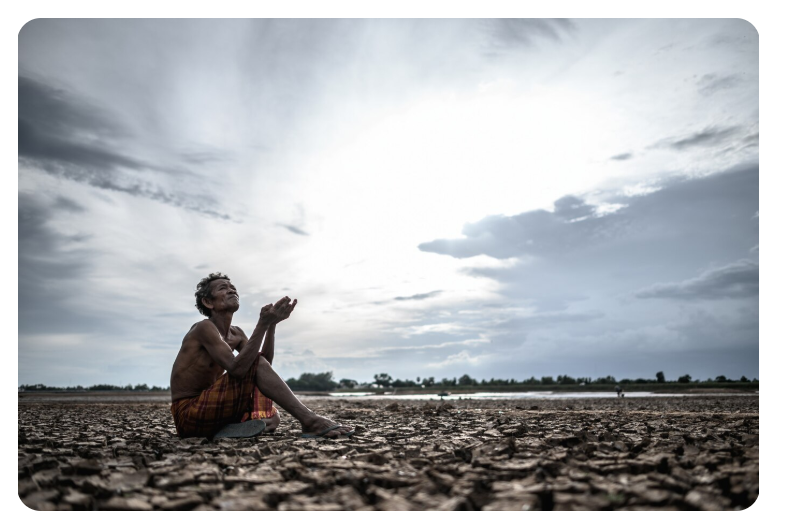
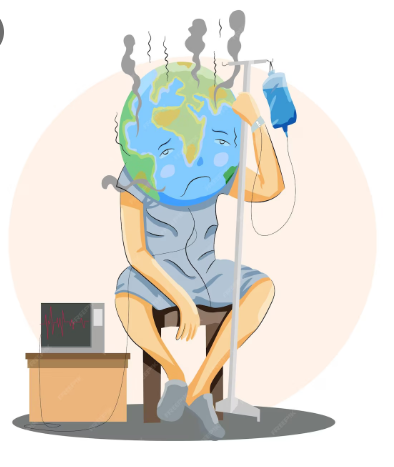
Climate anxiety: (also called eco-anxiety) is a growing psychological response to the escalating environmental crisis. Unlike general anxiety, which can stem from various personal or societal stressors, climate anxiety is directly tied to fears about ecological destruction, species extinction, and the uncertain future of humanity.
While concern about the environment is rational, for many, this worry has become overwhelming—leading to feelings of helplessness, grief, and even paralysis. In this article, we’ll explore what climate anxiety is, why it’s on the rise, and how we can cope with it in a healthy, productive way.
What Is Climate Anxiety?
Climate anxiety isn’t a formal mental health diagnosis (like generalized anxiety disorder), but psychologists recognize it as a legitimate emotional response to real-world threats. The American Psychological Association (APA) defines it as “a chronic fear of environmental doom”—a feeling that the planet is in irreversible decline.
- Common Symptoms of Climate Anxiety
- Persistent worry about climate-related disasters
- Feelings of grief or sadness over ecological loss (e.g., deforestation, coral bleaching)
- Anger or frustration toward governments/corporations for inaction
- Guilt over personal carbon footprint
- Sleep disturbances due to climate-related thoughts
- A sense of helplessness or hopelessness about the future
Unlike everyday stress, climate anxiety often feels existential because it’s tied to a problem that feels too big for any one person to solve.
Why Is Climate Anxiety Increasing?
1. Constant Exposure to Climate Disasters
With 24/7 news cycles and social media, we’re bombarded with images of hurricanes, heatwaves, and melting glaciers. Research shows that “exposure to climate-related disasters (even indirectly through media) increases anxiety levels” (Clayton et al., 2017).
2. The Youth Factor: A Generation Under Pressure
Young people, especially Gen Z, report ‘higher levels of climate anxiety’ than older generations. A 2021 global survey (‘The Lancet Planetary Health’) found that ‘75% of young people (aged 16-25) believe the future is frightening’, and over half feel humanity is doomed.
Greta Thunberg’s famous words, “How dare you?” resonate because many young people feel betrayed by leaders failing to act.
3. The Paralysis of Uncertainty
Climate change isn’t just a future threat—it’s happening now. But its unpredictability (How bad will it get? How fast?) fuels anxiety. Unlike immediate dangers (like a car speeding toward you), climate change is a slow-moving crisis, making it harder for our brains to process.
4. Feelings of Powerlessness
Many people feel that individual actions are insignificant compared to large-scale industrial pollution and government inaction.
5. Concern for Future Generations
Parents and young adults worry about the kind of world future generations will inherit.
6. Direct Experience of Climate Change
Those who have suffered from floods, droughts, or other climate-related disasters may develop trauma and heightened anxiety.
Symptoms of Climate Anxiety
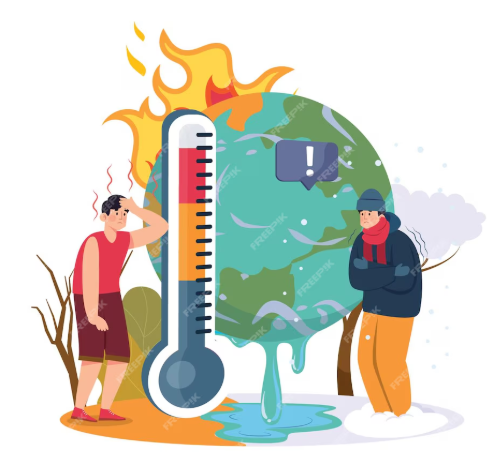
Eco-anxiety can manifest in various ways, including:
– Persistent worry about climate change
– Sleep disturbances due to distressing thoughts
– Anger or frustration toward policymakers and corporations
– Guilt over personal environmental impact
– Feelings of hopelessness or depression
– Avoidance of climate-related discussions due to emotional overwhelm
For some, these emotions can lead to activism and positive action, while for others, they may result in paralysis and despair.
When to Seek Help
- If climate thoughts dominate your daily life
- If you feel paralyzed by fear instead of motivated
- If it leads to depression or severe stress
Therapy, especially “eco-therapy” or “climate-aware counselling”, is becoming more common to help people process these emotions.
How to Cope with Climate Anxiety
1. Acknowledge Your Feelings (Don’t Suppress Them)
Ignoring anxiety often makes it worse. Instead:
‘Journal’ about your fears.
‘Talk’ to friends or support groups (like Climate Cafés).
‘Accept’ that grief for the planet is valid.
2. Focus on Action (Even Small Steps)
- Action reduces helplessness. Examples:
- Join local environmental groups.
- Reduce personal waste (but don’t obsess over perfection).
- Advocate for systemic change (voting, petitions, protests).
3. Limit Doomscrolling
Constant bad news fuels anxiety. Try:
Setting ‘media boundaries’ (e.g., no climate news before bed).
Following ‘solutions-focused’ outlets (e.g., ‘The Solutions Journal’).
4. Connect with Nature
Spending time outdoors can reduce anxiety. Activities like:
- Gardening
- Hiking
- Birdwatching
- …help rebuild a positive relationship with the environment.
5. Practice Self-Care & Community Care
Mindfulness/meditation to ground yourself.
Community involvement—collective action eases isolation.
Conclusion: Turning Anxiety into Agency
Climate anxiety is a natural response to an unnatural crisis. While we can’t control everything, we can control how we respond. By acknowledging our fears, taking meaningful action, and supporting each other, we transform anxiety into agency.
The climate crisis is daunting, but history shows that collective action creates change. Instead of drowning in despair, let’s channel our concern into ‘advocacy, innovation, and resilience’. The planet needs our grief—but also our hope and our hands at work.