
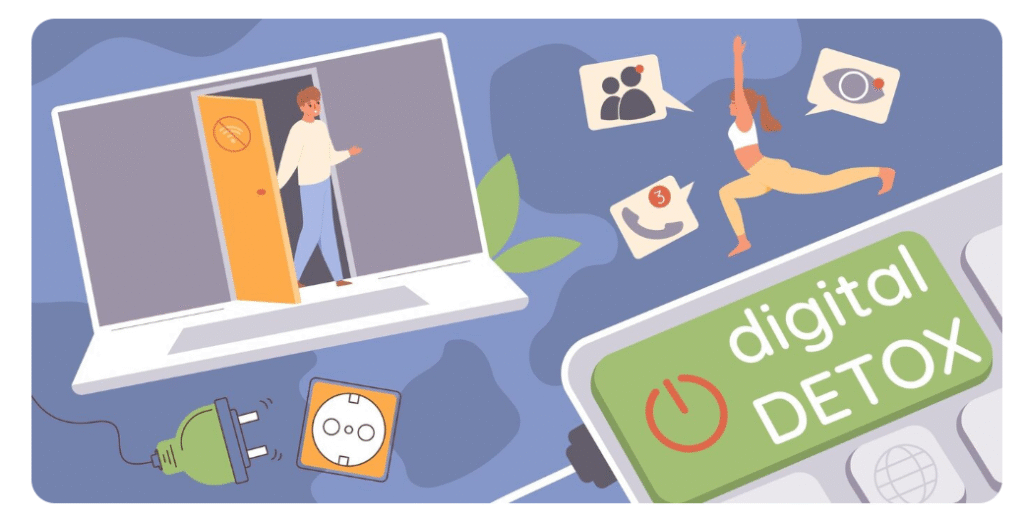
In a world where screens dominate our lives, the idea of stepping away from technology—even for a short time—can feel daunting. Yet, as our dependence on digital devices grows, so does the need to hit the pause button. Enter digital detoxes, a practice that involves intentionally disconnecting from technology to recharge, refocus, and reconnect with the world around us.
But what exactly is a digital detox, and why is it so important? In this article, we’ll explore the concept of digital detoxes, their benefits, and how you can incorporate them into your life. Whether you’re a tech enthusiast or a casual user, this guide will help you understand why unplugging might be the best thing you can do for your mental and physical well-being.
What Is a Digital Detox?
A digital detox is a period of time during which a person refrains from using digital devices such as smartphones, computers, tablets, and TVs. It’s about stepping away from the constant stream of notifications, emails, and social media updates to create space for mindfulness, creativity, and human connection.
Think of it as a reset button for your brain. Just as fasting from food can cleanse your body, a digital detox can cleanse your mind, helping you break free from the cycle of information overload and digital fatigue.
Why Do We Need Digital Detoxes?
Our relationship with technology has become increasingly complex. On one hand, it connects us to the world, enhances productivity, and provides endless entertainment. On the other hand, it can overwhelm us, distract us, and even harm our mental health. Here’s why digital detoxes are more important than ever:
1. Information Overload
The average person consumes over 74 gigabytes of data daily—equivalent to watching 16 movies! This constant influx of information can overwhelm the brain, making it harder to focus and process information effectively.
2. Digital Addiction
Studies show that the average person checks their phone 96 times a day—that’s once every 10 minutes. This compulsive behavior can lead to anxiety, stress, and a sense of being constantly “on.”
3. Mental Health Concerns
Excessive screen time has been linked to increased rates of anxiety, depression, and poor sleep. Social media, in particular, can contribute to feelings of inadequacy and FOMO (fear of missing out).
4. Loss of Human Connection
While technology connects us virtually, it can also disconnect us from the people and experiences right in front of us. How many times have you been in a room full of people, only to find everyone staring at their phones?
The Benefits of Digital Detoxes
Digital detoxes aren’t just about taking a break from screens—they’re about reclaiming your time, attention, and well-being. Here are some of the key benefits:
1. Improved Mental Clarity
Stepping away from digital distractions allows your brain to rest and recharge. You’ll find it easier to focus, think creatively, and solve problems.
2. Reduced Stress and Anxiety
Without the constant ping of notifications, you’ll feel calmer and more present. Digital detoxes can help lower cortisol levels and promote a sense of peace.
3. Better Sleep
The blue light emitted by screens can disrupt your circadian rhythm, making it harder to fall asleep. By unplugging before bed, you’ll improve your sleep quality and wake up feeling more refreshed.
4. Stronger Relationships
Digital detoxes create space for meaningful connections with the people around you. Whether it’s a heartfelt conversation or a shared activity, you’ll find that your relationships deepen when you’re fully present.
5. Increased Productivity
Without the constant distraction of emails and social media, you’ll be able to focus on what truly matters. Many people find that they accomplish more in less time when they unplug.
6. Rediscovery of Offline Hobbies
Digital detoxes give you the opportunity to reconnect with activities you love, like reading, painting, cooking, or spending time in nature.
How to Practice Digital Detoxes
1. Start Small
If the idea of a full day without screens feels overwhelming, start with a few hours. For example, you could designate the first hour of your day as screen-free time or unplug during meals.
2. Set Boundaries
Create clear rules for when and how you’ll use technology. For example, you might decide to check emails only twice a day or avoid social media after 8 p.m.
3. Designate Screen-Free Zones
Case Study: The Impact of Digital Detoxes
Consider the experience of John, a 35-year-old software developer who decided to try digital detoxes after feeling burned out and overwhelmed. He started by unplugging for one evening a week, then gradually increased it to a full day. During his digital detoxes, he spent time reading, hiking, and playing board games with his family.
Over time, John noticed significant improvements in his mental clarity, sleep quality, and overall happiness. He also found that he was more productive at work, as he was able to focus without the constant distraction of notifications. John’s story is a testament to the transformative power of digital detoxes.
Expert Insights on Digital Detoxes
Experts agree that taking regular breaks from technology is essential for mental and physical well-being. Dr. Cal Newport, author of Digital Minimalism, emphasizes the importance of intentional technology use: “The goal is not to eliminate technology, but to use it in a way that supports your values and goals.”
Similarly, Dr. Jean Twenge, a psychologist and author, highlights the impact of excessive screen time on mental health: “The more time teens spend on screens, the more likely they are to report symptoms of depression. Digital detoxes can help break this cycle.”
Conclusion: Reclaiming Your Life, One Screen at a Time
Digital detoxes aren’t about rejecting technology—they’re about reclaiming your time, attention, and well-being. In a world that’s constantly vying for your attention, unplugging can feel like a radical act of self-care. But the benefits are undeniable: improved mental clarity, reduced stress, stronger relationships, and a deeper connection to the world around you.
So, why not give it a try? Start small, set boundaries, and see how it feels to step away from the screens. You might just find that the most meaningful moments happen when you’re fully present—no Wi-Fi required.